
Profile

Distinguished for insightful performances, visionary programming, and wide-ranging collaborations, conductor Jeffery Meyer has captivated audiences in the contemporary orchestral scene around the globe.
He is an Artistic Partner with the Northwest Sinfonietta, one of the Northwest United States’ most dynamic orchestras, as well as Professor of Music in Orchestral Conducting at Indiana University Jacobs School of Music. Artistic Director of the St. Petersburg Chamber Philharmonic for two decades, his work with the orchestra was noted for its breadth and innovation. The orchestra’s American debut with three performances at Symphony Space’s Wall-to-Wall Festival in New York City were described by The New York Times as “impressive”, “powerful”, “splendid” and “blazing.” His programming has been awarded multiple prizes including three ASCAP Awards for Adventurous Programming and two Vytautas Marijosius Memorial Awards in Orchestral Programming.

A champion of contemporary orchestral music, his passion for fusing classical tradition with contemporary insight imagines the orchestral experience as a powerful medium for emotion, story, and cultural dialogue, fostering transformative collaborations with composers and performers, as well as multimedia visionaries, activists, and urban artists. His recorded catalogue includes repertoire from the early baroque to the music of our time. His most recent album Illuminations: Music of Narong Prangcharoen was released on the Albany Records label in 2023.
Recent projects include a newly developed multimedia performance of Stravinsky’s Rite of Spring and Petrushka with the Thailand Philharmonic Orchestra and a world premiere choreography for Petrushka in collaboration with the Jacobs School of Music Ballet Department; the premiere of Carlos Simon’s Graffiti performed and recorded with internationally renowned graffiti artists; a theatrical symphonic concert exploring themes of social justice developed in collaboration with Daniel Bernard Roumain and Marc Bamuthi Joseph; the world premiere recording of Laura Kaminsky’s Piano Concerto with pianist Ursula Oppens; a new, semi-staged production of Nkeiru Okoye’s Invitation to a Die-In; multiple collaborations with the American Composers Orchestra’s EarShot program, and an ongoing collaboration with award-winning radio producer Jad Abumrad exploring narrative, sound, and orchestral performance.
Recent and upcoming engagements include appearances with the Scotia Festival of Music, American Composers Orchestra, City Chamber Orchestra of Hong Kong with soprano Dawn Upshaw, Xalapa Symphony Orchestra, Orquesta Juvenil Universitaria Eduardo Mata, Texas Festival Orchestra at Round Top, and return engagements with the Grossman Ensemble, Sichuan Symphony, and Thailand Philharmonic.
Meyer's commitment to the innovative future of classical music positions him as a sought-after educator and mentor. His guidance extends beyond technique, diving into the philosophy and intricacies of civic leadership in today's evolving cultural scene. Prior to his appointment at the Jacobs School of Music, he led the acclaimed orchestral programs at Arizona State University and Ithaca College. He has given masterclasses throughout the United States as well as Canada, Europe, and Asia and has led conducting masterclasses spanning the globe at such institutions as the Central Conservatory in Beijing, Shanghai Conservatory, Tianjin Conservatory, the Universität für Musik und Darstellende Kunst in Vienna, and the Rimsky-Korsakov Conservatory in St. Petersburg, Russia.
Meyer holds degrees in piano as well as composition and completed his Doctorate of Musical Arts in Piano Performance with Gilbert Kalish at the State University of New York at Stony Brook.
Conductor, pianist, once-upon-a-time juggler, magician and gymnast, and local foods eco-enthusiast.

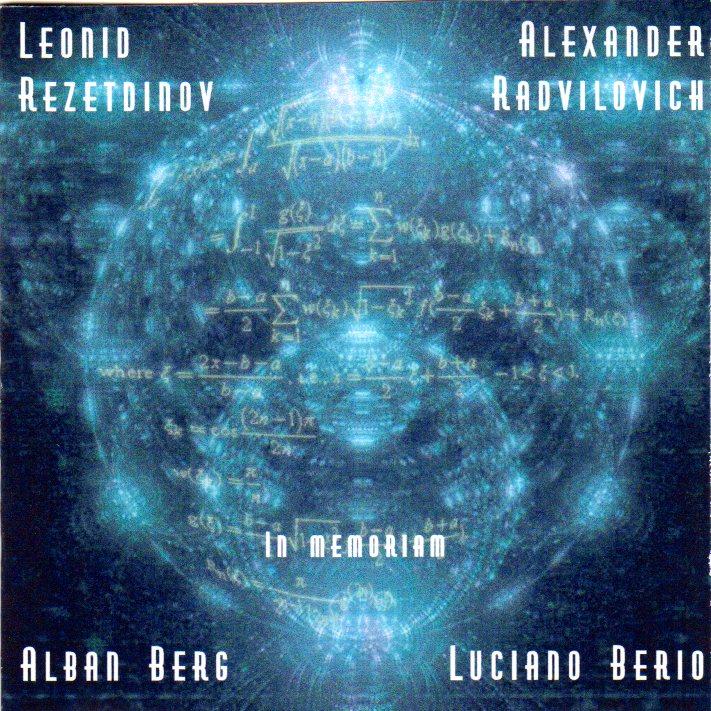
Recordings
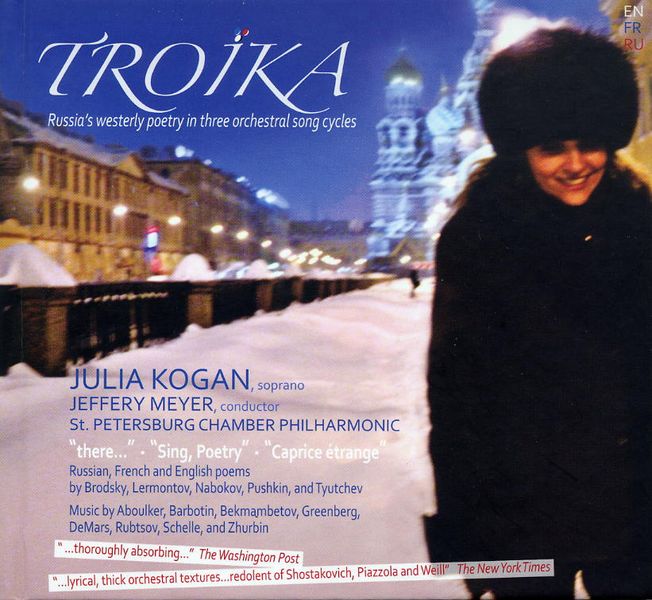

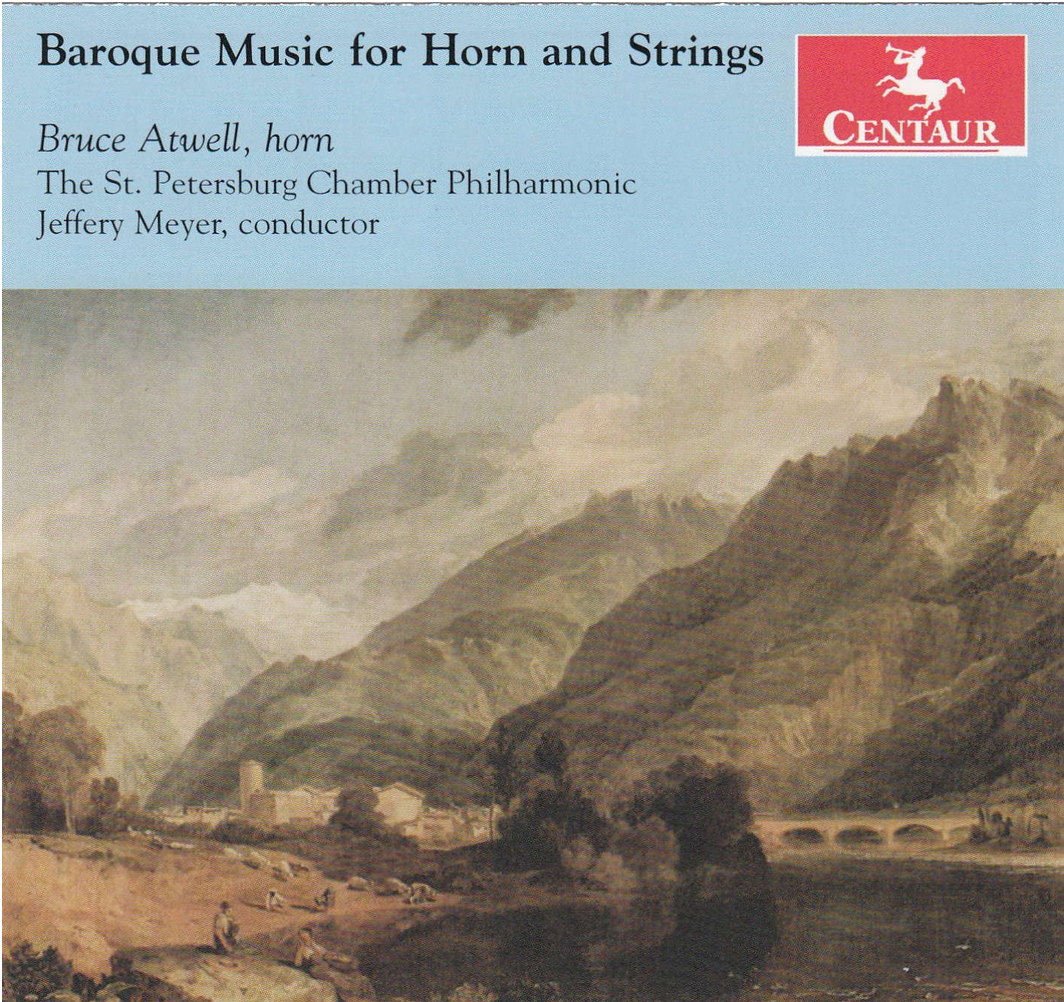

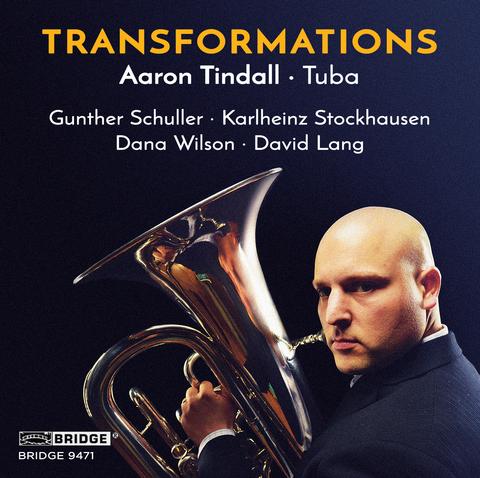
THE ORCHESTRA
is a place where
SOUND, STORY,
and HUMAN EXPERIENCE meet.
At its best, it brings us together in a shared act of LISTENING and collective creation
and transforms how we understand ourselves, each other, and the world around us.

Artistic Philosophy
My work as a conductor is grounded in performance, collaboration, and the belief that the orchestral experience remains one of the most powerful ways we make meaning together. I am interested in building performances that are immediate, emotionally direct, and alive—whether engaging core repertoire or new work—and in shaping the artistic environment so musicians can do their highest-level work.
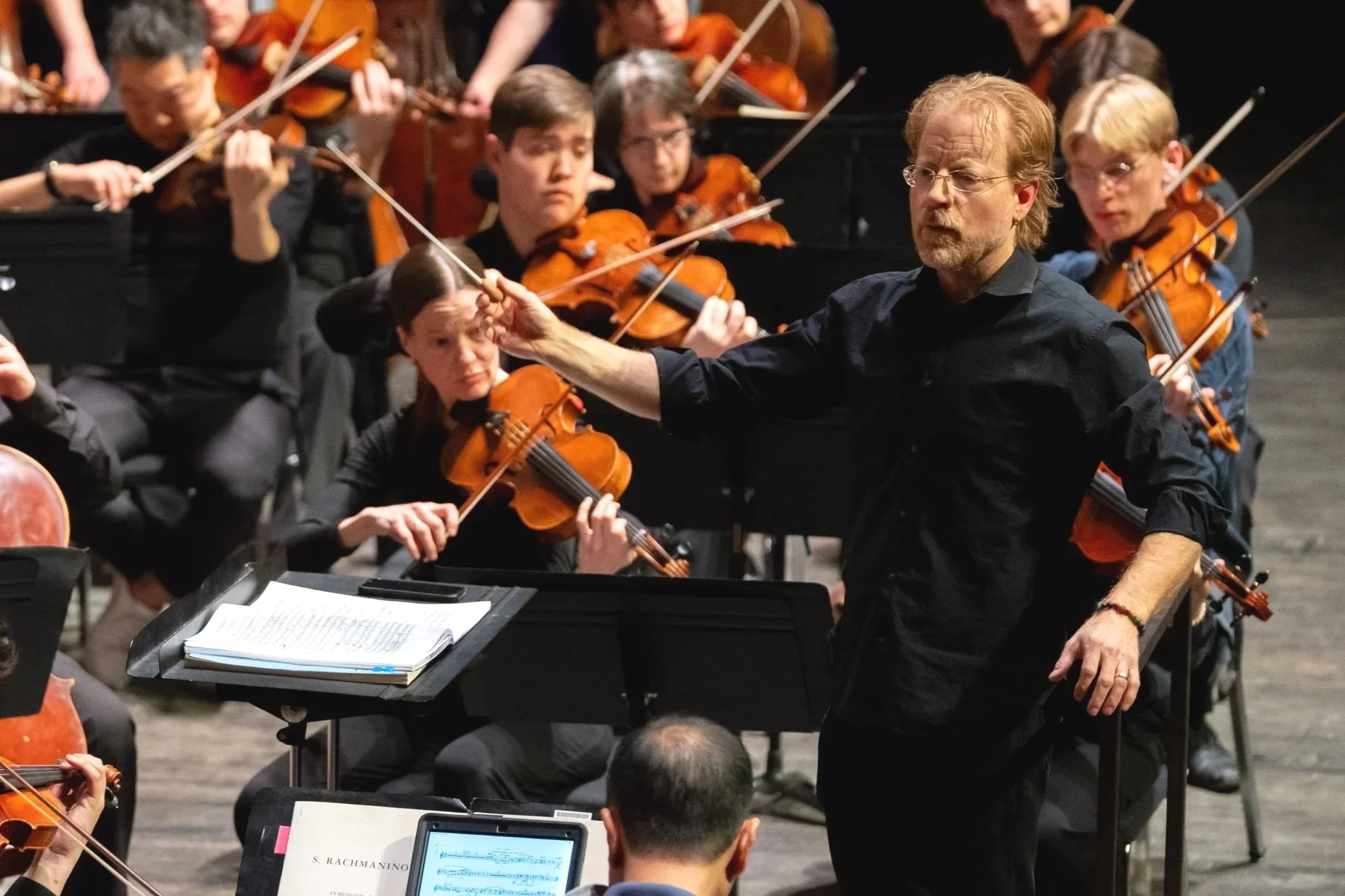
In my work with orchestras and institutions, I have created cross-cultural and cross-genre experiences for audiences and musicians alike—combining the folk artistry of Amber Rubarth and Dave Eggar with Berio’s Folk Songs, premiering a reimagining of The Nutcracker with Troupe Vertigo, and developing projects that bring together musical traditions from different parts of the world, as well as leading large-scale productions such as a fully staged Mass of Bernstein with more than 300 performers. I have collaborated with many of today’s leading composers, premiered numerous new works, and supported the development of emerging voices, while continuing to engage the core orchestral repertoire with equal commitment. This work is inseparable from my life in teaching, where I work closely with young conductors and musicians to develop not only technical command, but a deeper sense of listening, responsibility, and artistic purpose.
This work extends beyond the concert hall. I am committed to expanding who is in the room—on stage and in the audience—through programming that reflects a broader range of experiences and perspectives, and through sustained work with artists and communities whose voices have not always been centered in orchestral spaces. Education, in this context, is not about explanation but about invitation: creating entry points for active listening and meaningful engagement without diminishing the complexity or ambition of the work itself.
At the same time, I remain deeply invested in the core orchestral literature. These works continue to offer profound artistic and human insight, and I am interested in placing them in contexts that sharpen their relevance and deepen their impact. The goal is not to separate past and present, but to allow them to inform one another in ways that feel necessary and urgent.
I see the current challenges facing orchestras not as a constraint, but as an opportunity to rethink how we present, contextualize, and share this work. The orchestra remains an extraordinary collective instrument—capable of nuance, power, and emotional range at a level unmatched in our culture. My work is centered on bringing the full potential of the orchestra into focus for contemporary audiences, and on creating experiences that expand how we understand ourselves and the world around us.
